
 admin
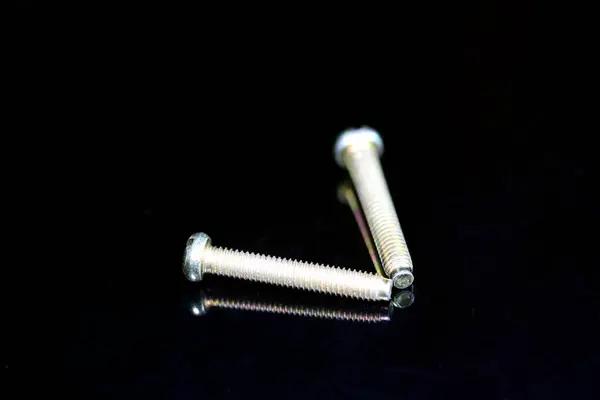
Choosing the right closure for body piercings plays a vital role in minimizing irritation and promoting faster healing. The closure, which is the mechanism used to secure jewelry in place, can significantly impact how the skin responds to the piercing. An inappropriate closure can cause constant friction, pressure, or even allergic reactions, leading to discomfort and potential complications. Therefore, understanding which closures are safer can help reduce irritation risks and improve the overall piercing experience.
One of the main factors affecting irritation is the material and design of the closure. Closures made from hypoallergenic materials such as surgical stainless steel, titanium, or niobium are less likely to cause allergic reactions or skin sensitivities. These materials are biocompatible, meaning they integrate well with body tissue and are less prone to causing inflammation. Non-hypoallergenic metals, on the other hand, can provoke redness, swelling, and itchiness, which increases the risk of infection.
The shape and mechanism of the closure also influence skin comfort. For example, closures that have smooth surfaces and rounded edges reduce the chance of scratching or poking the surrounding skin. Snap-lock or clicker closures often provide a secure fit without protruding parts that might irritate the area. Conversely, closures that screw or twist contact us into place must be handled carefully to avoid overtightening, which can compress the tissue and impede circulation. Over time, this pressure can cause irritation and slow down the healing process.
Another consideration is how easily the closure can be cleaned and maintained. Piercings require regular hygiene to prevent bacterial buildup, which can cause infections and further irritation. Closures that are difficult to remove or clean may trap debris and bacteria, increasing the risk of complications. Therefore, closures that allow for easy removal and thorough cleaning support healthier piercing care routines.
For fresh piercings, closures that minimize movement are preferred because excessive movement can irritate the wound and delay healing. Secure closures that fit snugly without causing pressure help stabilize the jewelry, reducing microtrauma to the tissue. In addition, closures that avoid sharp edges or rough textures are less likely to catch on clothing or hair, which can aggravate the piercing site.
In summary, selecting closures made of hypoallergenic materials with smooth, secure designs significantly reduces irritation risks in piercings. Prioritizing closures that facilitate hygiene and limit unnecessary movement helps maintain a clean, stable environment for healing. By paying attention to these factors, individuals can enjoy safer piercings with fewer complications and greater comfort throughout the healing process.